Dec 29, 2025
 3 min read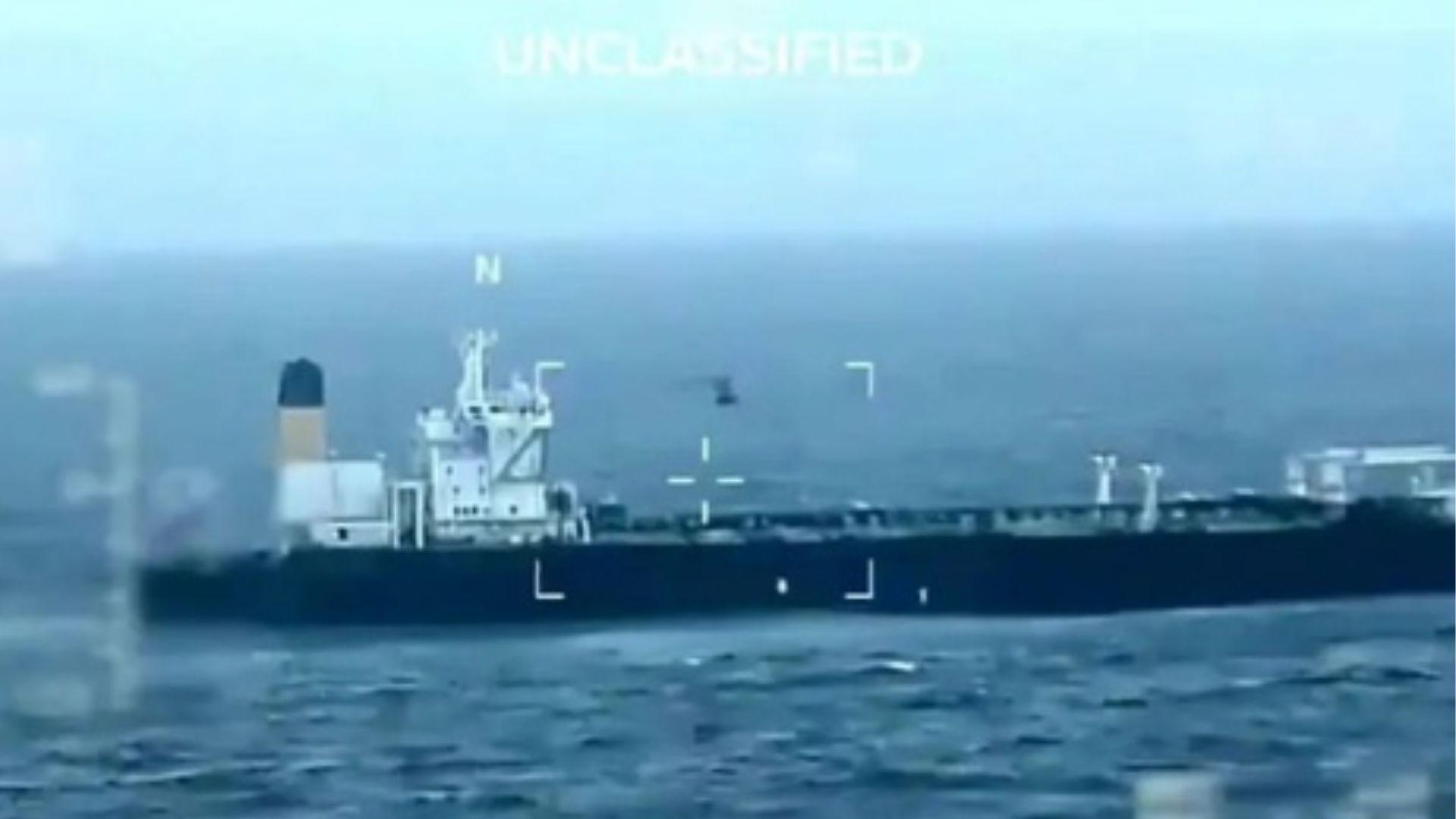
An NGO report says that the ghost fleet, along with sanctioned vessels and secret routes, already accounts for more than 40% of Venezuela's oil flow.
Ghost fleet dominates exports and exposes secret Venezuelan oil scheme involving sanctioned ships, hidden routes and tracking errors, says NGO
Nearly half of oil tankers operating in Venezuela are operating illegally, reports show, adding to the opacity of oil flows amid rising international sanctions and geopolitical tensions.
The expansion of the so-called ghost fleet in the flow of Venezuelan oil has once again exposed serious failures in international maritime surveillance and the scale of clandestine operations linked to the country's hydrocarbon sector.The information was published by the NGO Transparencia Venezuela, which monitored dozens of ships and identified a recurring pattern of irregularities, hidden routes and sanctioned vessels acting outside the law.
According to the report, which refers to November 2025, about four out of ten oil tankers operating in Venezuela will be affected by international sanctions. It showed some kind of irregularity, either due to a lack of tracking or links to obscure vessels.The survey analyzed 98 ships involved in the Venezuelan oil transport and pointed to a scenario of increasing opacity as external pressure on the government of Nicolás Maduro mounts.
But this situation does not seem to be isolated.Instead, it is intensifying as sanctions, military actions in the Caribbean and trade restrictions alter the traditional flow of oil trade, pushing a significant portion of exports to parallel and untraceable projects.
About half of the traffic operates under conditions of restrictions, secrecy or invisibility
According to data collected by Transparencia Venezuela, of the 98 ships monitored, 64 are owned by international ships, while 17 are part of the ships of the Venezuelan state company Pdvsa.Additionally, 17 ships operating with AIS were shut down, a common practice to hide their route, cargo and final destination.
This behavior is incorrect.The report shows that 40 ships, equivalent to 41% of the analyzed traffic, are authorized, run silently or have links with ghost fleets.The data highlights the consolidation of parallel supply models, created to avoid international sanctions and to reduce the risk of capture.
Also according to the NGO, the increase in conflict between the United States and the Venezuelan government, including the increase in the military in the Caribbean, helped to reduce the regular movement of oil tankers on the coast.As a result, vessels that remain active adopt ways of working outside of international control.
Chevron is expanding its presence as it retires the regular fleet
Despite the decrease in the total number of vessels, the specific movement was different from the rest of the market.During the analyzed period, a significant increase in the number of tankers put into operation by Chevron was recorded.Eight vessels owned by the company arrived in Venezuela in November 2025, while only three vessels arrived in October.
All of these ships were bound for US ports including Corpus Christi and Beaumont, Texas, and Good Hope, Louisiana.According to oceanographic data analyzed by the NGO, the vessels were carrying Venezuelan oil, within the limits of certain mandates granted to the association.
This contrasts with the fact that while some trade occurs under regulated arrangements, an increasing proportion of Venezuelan oil depends on opaque channels and difficult-to-identify vessels, increasing the legal, environmental and geopolitical risks associated with the activity.
Banned ship case exposes flaws in international tracking
The report also focused on the issue of the oil tanker Seahorse, a ship that the EU and Britain have banned because of its involvement in transporting Russian oil to the Ukraine conflict.According to Transparencia Venezuela, the ship attempted to reach Venezuela after leaving Matanzas, Cuba on November 13, but did not stop at the Jose terminal or other ports in the east of the country.
This episode highlights one of the main weaknesses of the current system: the difficulty of identifying the final destination of oil when sanctioned vessels operate with intermittent or disconnected tracking.This type of operation increases uncertainty about who buys, who transports and where Venezuela's oil goes.
Another fact considered critical in the research is that only a third of the oil tankers monitored present a destination manifest, an important document for the transparency of maritime trade.The absence of this information increases doubts about the real volume exported and its final destinations.
The number of tools decreases, but the transparency increases
The NGO gives a direct warning at the end of the report: although the total number of ships decreased from October to November, the lack of transparency of operations increased.In the case of Transparencia Venezuela, the data confirms that the ghost fleet is no longer an exception and that it has come to play a central role in the flow of Venezuelan oil, acting as the main mechanism for avoiding international sanctions.
Between economic sanctions, hidden routes, invisible ships and structural defects in tracking, Venezuelan oil remains at sea under a system that is increasingly difficult to control.The report emphasizes that, without stricter international cooperation and effective supervision, the tendency for this covert operation will develop, with an impact that goes beyond the economy and reaches the field of global security.
Source: People's Daily